#1-Mammoth Cave National Park
Kentucky
Kentucky

Our Top Lesser Known National Park is the largest discovered cave system in the entire world, with new passageways being constantly discovered. Archaeological evidence that has been found show that natives explored parts of the cave at least 4,000 years ago. Numerous guided tours take visitors to different sections of the cave, as well as additional "wild cave tours" are available to the advanced spelunkers.
Mammoth Cave National Park Website:
|
Our Top Lesser Known National Park is the largest discovered cave system in the entire world, with new passageways being constantly discovered. Archaeological evidence that has been found show that natives explored parts of the cave at least 4,000 years ago. Numerous guided tours take visitors to different sections of the cave, as well as additional "wild cave tours" are available to the advanced spelunkers.
Mammoth Cave National Park Website:
|
#2-Everglades National Park
Florida
Florida

The Everglades National Park protects the largest subtropical wilderness in the United States. It provides a critical natural habitat for many endangered species including the Manatee, American Crocodile and the Florida Panther. Visitors that come to the 1.5 million acre park enjoy hiking, biking, canoeing or tours through the many different habitat areas.
Everglades National Park Website:
|
The Everglades National Park protects the largest subtropical wilderness in the United States. It provides a critical natural habitat for many endangered species including the Manatee, American Crocodile and the Florida Panther. Visitors that come to the 1.5 million acre park enjoy hiking, biking, canoeing or tours through the many different habitat areas.
Everglades National Park Website:
|
#3-Mesa Verde National Park
Colorado
Colorado

Mesa Verde National Park was established in 1906 by President Theodore Roosevelt. It preserves over 4000 archaeological sites including over 600 cliff dwellings and is the largest archaeological site in the entire United States. The structures made out of sandstone blocks using adobe mortar have been fairly well preserved due to being built under the protecting cliff overhangs called alcoves, which also protected those who lived in the dwellings.
Mesa Verde National Park Website:
|
Mesa Verde National Park was established in 1906 by President Theodore Roosevelt. It preserves over 4000 archaeological sites including over 600 cliff dwellings and is the largest archaeological site in the entire United States. The structures made out of sandstone blocks using adobe mortar have been fairly well preserved due to being built under the protecting cliff overhangs called alcoves, which also protected those who lived in the dwellings.
Mesa Verde National Park Website:
|
#4-Kenai Fjords National Park
Alaska
Alaska

Kenai Fjords National Park was established in 1980 on the Kenai Peninsula on the Southern central coast of Alaska. It contains 38 identified glaciers, which have carved out the many rugged ocean inlets. One of the popular activities are cruises that offer views of the glaciers and many aquatic wildlife including seals, sea lions, porpoises, humpback whales and orcas.
Kenai Fjords National Park Website:
|
Kenai Fjords National Park was established in 1980 on the Kenai Peninsula on the Southern central coast of Alaska. It contains 38 identified glaciers, which have carved out the many rugged ocean inlets. One of the popular activities are cruises that offer views of the glaciers and many aquatic wildlife including seals, sea lions, porpoises, humpback whales and orcas.
Kenai Fjords National Park Website:
|
#5-Mount Rainier National Park
Washington
Washington

Mount Rainier National Park was the 5th U.S. National
and establish in 1899. Mt. Rainier is an active stratovolcano that is 14,410 ft. high and is currently covered by over 25 glaciers. 97% of the Park is protected as wilderness, but it is popular for hiking and mountaineering.
Mount Rainier National Park Website
|
Mount Rainier National Park was the 5th U.S. National
and establish in 1899. Mt. Rainier is an active stratovolcano that is 14,410 ft. high and is currently covered by over 25 glaciers. 97% of the Park is protected as wilderness, but it is popular for hiking and mountaineering.
Mount Rainier National Park Website
|
#6-Hawaii Volcanoes National Park

The Hawaii Volcanoes National Park is also celebrating 100 years this August having been established August 1, 1916 and is one of the tourist attractions featured in the educational board-game Snapshots Across America. It is home to one of the most active volcanoes in the world, and extends from sea level up to at elevation of over 13,000 ft high.
|
The Hawaii Volcanoes National Park is also celebrating 100 years this August having been established August 1, 1916 and is one of the tourist attractions featured in the educational board-game Snapshots Across America. It is home to one of the most active volcanoes in the world, and extends from sea level up to at elevation of over 13,000 ft high.
|
#5-Mount Rainier National Park
Washington
Washington
#7-Glacier National Park, Montana

Native Glacier National Park, with just over 1 million acres, is home to 26 current glaciers, and offers some of the most rugged mountain terrain in the U.S. It is well known for its majestic 53 mile long "Going to the Sun Road" which takes travelers through the heart of the Park, as well as hiking and back-packing trails.
Glacier National Park Website:
#8-Hot Springs National Park, Arkansas

Native Americans had visited the Hot Springs for thousands of years before Spanish explorer Hernando de Soto visited the area in 1541. It was first established by the United States Congress in 1832 as the Hot Springs Reservation as the first Federally protected natural area in the U.S. Numerous spas and bath-houses still offer soothing hot springs. It is one of the attractions that players can "visit" as they travel around the game-board map of the United States in the educational game Snapshots Across America.
Hot Springs National Park Website:
http://www.nps.gov/hosp/index.htm
#9-Crater Lake National Park, Oregon

You can "visit" popular attractions like Crater Lake National Park by traveling across a
game-board map of the United States "by car, train, boat or plane".
Scientists say that over 7,000 years ago, a large volcano blew up in an eruption that was approximately 150 times bigger that Mount St. Helens in 1980. A lake formed in the collapsed crater and is one of the most pure water lakes in the world.
Crater Lake National Park Website
http://www.nps.gov/crla/index.htm
|
Native Glacier National Park, with just over 1 million acres, is home to 26 current glaciers, and offers some of the most rugged mountain terrain in the U.S. It is well known for its majestic 53 mile long "Going to the Sun Road" which takes travelers through the heart of the Park, as well as hiking and back-packing trails.
Glacier National Park Website:
|
#8-Hot Springs National Park, Arkansas
Native Americans had visited the Hot Springs for thousands of years before Spanish explorer Hernando de Soto visited the area in 1541. It was first established by the United States Congress in 1832 as the Hot Springs Reservation as the first Federally protected natural area in the U.S. Numerous spas and bath-houses still offer soothing hot springs. It is one of the attractions that players can "visit" as they travel around the game-board map of the United States in the educational game Snapshots Across America.
Hot Springs National Park Website:
http://www.nps.gov/hosp/index.htm
Hot Springs National Park Website:
http://www.nps.gov/hosp/index.htm
#9-Crater Lake National Park, Oregon
|
| You can "visit" popular attractions like Crater Lake National Park by traveling across a game-board map of the United States "by car, train, boat or plane". |
Scientists say that over 7,000 years ago, a large volcano blew up in an eruption that was approximately 150 times bigger that Mount St. Helens in 1980. A lake formed in the collapsed crater and is one of the most pure water lakes in the world.
Crater Lake National Park Website
http://www.nps.gov/crla/index.htm
Crater Lake National Park Website
http://www.nps.gov/crla/index.htm
#10-Theodore Roosevelt National Park
North Dakota.
 |
| Theodore Roosevelt National Park is featured on one of the game cards for the educational board game Snapshots Across America |

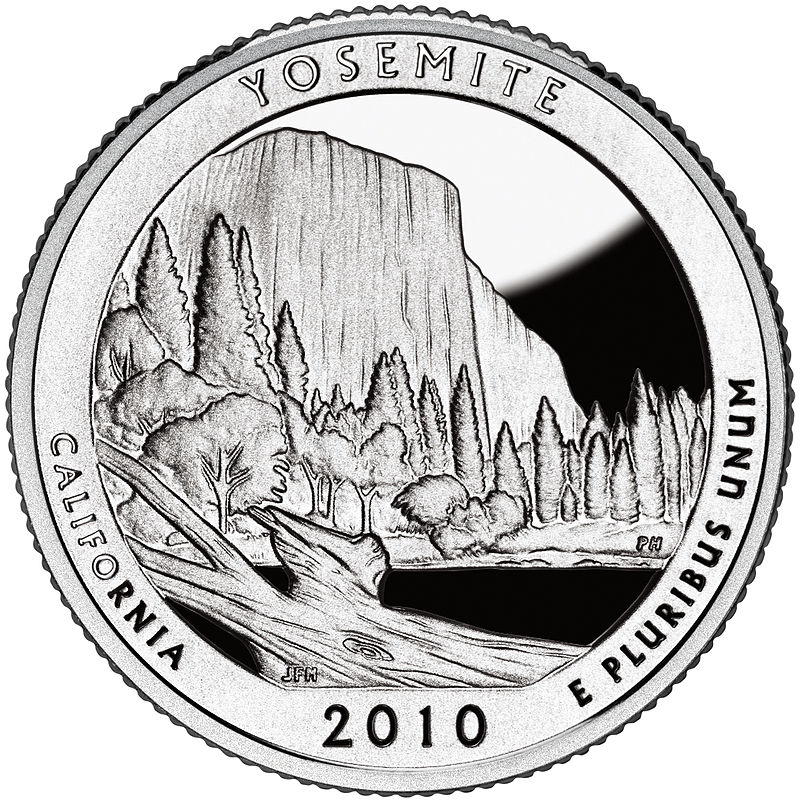
In 1903 John Muir gave then President Theodore Roosevelt a tour of Yosemite National Park. President Roosevelt, after experiencing Yosemite and several other National Parks that year, would become one of the greatest political advocates and a primary supporter of the National Parks. He later signed legislation that established five additional National Parks, and designated 18 National Monuments during his Presidency.
Theodore Roosevelt National Park recognizes the Ranches he established there before becoming President, and honors his accomplishments as the President who helped build what would become the foundation for the National Park Service.
Theodore Roosevelt National Park Website:
http://www.nps.gov/thro
Theodore Roosevelt National Park recognizes the Ranches he established there before becoming President, and honors his accomplishments as the President who helped build what would become the foundation for the National Park Service.
Theodore Roosevelt National Park Website:
http://www.nps.gov/thro